 https://ustl.com/wp-content/uploads/2026/07/How-Pressure-Sensitive-Labels-Support-Short-Run-and-Seasonal-Product-Launches.jpg
1250
2000
AbstraktMarketing
https://ustl.com/wp-content/uploads/2026/10/October-2026-Logo-300x133.jpg
AbstraktMarketing2026-07-30 14:36:052026-07-30 14:36:10How Pressure-Sensitive Labels Support Short-Run and Seasonal Product Launches
https://ustl.com/wp-content/uploads/2026/07/How-Pressure-Sensitive-Labels-Support-Short-Run-and-Seasonal-Product-Launches.jpg
1250
2000
AbstraktMarketing
https://ustl.com/wp-content/uploads/2026/10/October-2026-Logo-300x133.jpg
AbstraktMarketing2026-07-30 14:36:052026-07-30 14:36:10How Pressure-Sensitive Labels Support Short-Run and Seasonal Product LaunchesWater-Resistant vs. Waterproof: Why the Distinction Matters
These two terms get used interchangeably, but they describe meaningfully different performance thresholds, and confusing them is one of the most common reasons labels fail.
Water-Resistant Labels and Their Limits
A water-resistant label can handle brief surface moisture. Light splashing, a little condensation, or a quick wipe with a damp cloth won’t destroy it. Many coated paper labels fall into this category, and they’re fine for products that don’t experience prolonged or repeated moisture contact. The problem is that “water-resistant” doesn’t mean the label survives submersion, extended refrigeration, or humid storage environments. When a paper-based label sits against a wet surface for any length of time, the face stock absorbs moisture, the adhesive softens, and the whole label starts to fail.
What Genuinely Waterproof Labels Are Built to Handle
Truly waterproof labels use film-based face stocks: materials like BOPP (biaxially oriented polypropylene), polyester (PET), or vinyl that don’t absorb water at all. They’re non-porous by nature, which means moisture sits on the surface rather than soaking through. Paired with the right ink system and adhesive, these materials can survive full immersion, repeated condensation cycles, and temperature swings without losing adhesion or print clarity. That’s the spec you need when your product is going into a cooler, a dishwasher, or a refrigerated display case.
The Face Stock Decision: Which Film Material Fits Your Application
Film label materials aren’t interchangeable. Each has a different performance profile, and the right choice depends on your specific use case, not just the general category of “waterproof.”
BOPP: The Workhorse for Beverage and Consumer Goods
BOPP is the most widely used film material for waterproof product labels in the food, beverage, and health and beauty categories. It’s flexible, conformable to curved surfaces like bottles and jars, and genuinely impervious to moisture. BOPP holds up well in ice bucket and cooler environments where labels experience both cold temperatures and direct water contact. It also accepts print well, which makes it a strong choice when color accuracy and shelf presence matter alongside durability. USTL’s custom label printing services include BOPP as a core film option across both digital and flexographic platforms.
Polyester (PET): For High-Stress Environments
Polyester labels are stiffer and more dimensionally stable than BOPP, which makes them the right call when a label faces repeated mechanical stress on top of moisture. Think dishwasher-safe containers, reusable packaging, or products that go through wash-down environments in food processing or distribution. PET doesn’t stretch or distort under heat and water combined, which is why it performs where BOPP might not. If your label needs to survive both the dishwasher cycle and look presentable afterward, polyester is the more reliable choice.
Vinyl: Conformable and Durable for Complex Shapes
Vinyl sits between BOPP and PET in terms of rigidity. It’s softer and more conformable, which makes it well-suited for irregular container shapes or any application where the label needs to flex without cracking. It’s also inherently waterproof and handles cold temperatures without becoming brittle. For health and beauty products that live in high-humidity environments like shower shelves or bathroom counters, vinyl is a strong contender because it stays flexible and adhered even as temperatures fluctuate.
Inks and Coatings: The Layer That Actually Gets Wet
The face stock keeps moisture from soaking through, but the ink and any protective coating on top of the print are what determine whether your label looks good after it gets wet. This layer is overlooked more often than the material choice, and it’s just as consequential.
UV-Cured Inks vs. Water-Based Inks for Waterproof Label Printing
UV-cured inks cure instantly under ultraviolet light, which leaves them fully hardened and chemically resistant. They’re the stronger choice for waterproof label printing because they don’t re-emulsify when they contact water. Water-based inks are more common in general commercial printing and are fine for many applications, but they carry more risk in high-moisture environments unless they’re sealed under a robust laminate or coating. If your products are going into ice or sitting in condensation for hours, UV ink performance is a meaningful factor to discuss with your label partner.
Lamin ates and Protective Coatings
A gloss or matte laminate over the printed surface adds another barrier between the ink and any moisture that reaches the label. It also adds scuff resistance, which matters if labels experience physical handling in wet conditions. Some applications call for a full flood coat of UV varnish instead, which is a cost-effective way to add protection without the thickness of a laminate film. The right call depends on the severity of the moisture exposure and the finish your brand
requires.
Getting the material, ink, and adhesive combination right is the difference between a label that performs and one that becomes a customer complaint. USTL serves beverage, food, health and beauty, and more than a dozen other industries, and the approach is the same across all of them understand the environment first, then specify the label.
Why Adhesive Performance in Cold and Wet Conditions Gets Overlooked
Most conversations about waterproof labels focus on the face stock and ink. The adhesive gets less attention, and that’s where a lot of unexpected label failures originate, especially in refrigeration and cold storage applications.
Cold Temperature Adhesives vs. Standard Pressure-Sensitive Adhesives
Standard pressure-sensitive adhesives are formulated to bond at or near room temperature. When they’re applied to a cold surface, or when the product moves through repeated temperature cycling from cold storage to ambient conditions, the adhesive doesn’t perform the same way. It can lose tack, especially on surfaces that develop condensation during that transition. Cold temperature adhesives are specifically formulated to bond and stay bonded at low temperatures, which is a meaningful spec difference for anything going into a refrigerated or frozen environment. This is a detail that often doesn’t come up until a brand has already experienced label failure in distribution.
Surface Preparation and Application Environment
Even the right adhesive fails if it’s applied to a contaminated or condensation-covered surface. Labels applied to cold containers directly out of a refrigerator have a much narrower window for proper adhesion than labels applied at ambient temperature before the product is chilled. If your production line involves labeling cold containers, that’s a conversation to have with your label partner before you spec the adhesive, not after. USTL’s in-house engineering team works directly with client production environments, which is exactly where this kind of application-specific detail gets resolved before it becomes a problem. Explore how USTL’s label printing and engineering support works together to understand how that collaboration plays out in practice.
What Immersion, Condensation, and Dishwasher Cycling Actually Require
Not all wet environments are the same, and the label spec that works in one won’t automatically work in another. These three exposure types represent meaningfully different stress conditions.
Ice Bucket and Cooler Immersion
Beverage brands face this environment constantly. A bottled product in an ice bucket is simultaneously submerged in cold water and subject to physical contact with ice. The label needs a waterproof face stock (BOPP or vinyl), a water-resistant adhesive, and UV or laminate-protected ink. Beverage label printing is one of the most demanding applications in the label industry precisely because this combination of cold, immersion, and shelf appeal all have to work at once. Shrink sleeve labels are another solution worth considering for full-immersion beverage applications because they wrap the entire container and eliminate the exposed adhesive edge.
Refrigerated and Cold Storage Products
Products that live in a refrigerated case experience condensation every time the case door opens and ambient air hits the cold container. Over days and weeks, that repeated moisture contact will test any label. The key specs here are a film face stock that won’t absorb moisture and a cold-temperature adhesive that maintains bond strength through temperature cycling. Food and health and beauty brands in refrigerated distribution channels often underestimate this exposure because it’s not as dramatic as immersion, but it’s just as damaging over time.
Dishwasher-Safe Labeling
Dishwasher environments add heat to the equation alongside water and detergent. Polyester is the most reliable face stock here because it resists both moisture and the elevated temperatures of a dishwasher cycle. The adhesive needs to be aggressive enough to stay bonded under those conditions, and the ink needs either UV curing or a heat-stable laminate to avoid breaking down. If you’re producing labeled containers that consumers might put in the dishwasher, that spec needs to account for all three variables, not just water resistance. [Link: related blog post on label materials and substrates when available
Get the Right Waterproof Label for Your Product
Choosing the right waterproof label comes down to understanding your product’s actual environment, not just the broad category of “moisture exposure.” The questions that matter most are: what temperature does the label experience at application, what temperature does it experience in use, does it contact standing water or just surface moisture, and does it face any mechanical stress like dishwashing or repeated handling?
Those answers determine the face stock, adhesive, ink system, and any protective coating your label needs. A label partner with engineering-level knowledge of how these variables interact can help you get to the right spec before you go to press. U.S. Tape & Label has been building application-aware label solutions for more than 75 years, with in-house engineers who work directly with client production teams to make sure the label that’s specified is the label that actually performs. If you’re sourcing waterproof labels for beverage, food, or health and beauty products, let’s talk through what your environment actually demands.
https://ustl.com/wp-content/uploads/2026/07/How-Pressure-Sensitive-Labels-Support-Short-Run-and-Seasonal-Product-Launches.jpg
1250
2000
AbstraktMarketing
https://ustl.com/wp-content/uploads/2026/10/October-2026-Logo-300x133.jpg
AbstraktMarketing2026-07-30 14:36:052026-07-30 14:36:10How Pressure-Sensitive Labels Support Short-Run and Seasonal Product Launches https://ustl.com/wp-content/uploads/2025/11/Pressure-Sensitive-Labels.jpg
1250
2000
AbstraktMarketing
https://ustl.com/wp-content/uploads/2026/10/October-2026-Logo-300x133.jpg
AbstraktMarketing2026-06-03 17:36:182026-06-03 17:36:27What Is a Label Face Stock?
https://ustl.com/wp-content/uploads/2025/11/Pressure-Sensitive-Labels.jpg
1250
2000
AbstraktMarketing
https://ustl.com/wp-content/uploads/2026/10/October-2026-Logo-300x133.jpg
AbstraktMarketing2026-06-03 17:36:182026-06-03 17:36:27What Is a Label Face Stock? https://ustl.com/wp-content/uploads/2026/04/How-Container-Shape-Impacts-Label-Application-Success.jpg
1250
2000
AbstraktMarketing
https://ustl.com/wp-content/uploads/2026/10/October-2026-Logo-300x133.jpg
AbstraktMarketing2026-04-01 08:47:542026-06-02 15:26:57How Container Shape Impacts Label Application Success
https://ustl.com/wp-content/uploads/2026/04/How-Container-Shape-Impacts-Label-Application-Success.jpg
1250
2000
AbstraktMarketing
https://ustl.com/wp-content/uploads/2026/10/October-2026-Logo-300x133.jpg
AbstraktMarketing2026-04-01 08:47:542026-06-02 15:26:57How Container Shape Impacts Label Application Success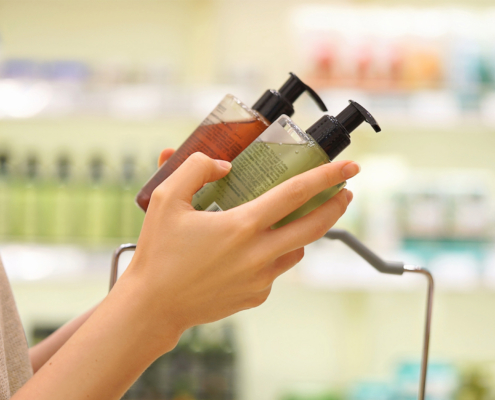 https://ustl.com/wp-content/uploads/2026/03/hands-comparing-skincare-or-body-care-liquid-products.jpg
1250
2000
AbstraktMarketing
https://ustl.com/wp-content/uploads/2026/10/October-2026-Logo-300x133.jpg
AbstraktMarketing2026-03-25 18:42:572026-06-02 15:26:58Waterproof Labels for Health & Beauty: Best Materials for Bathroom Environments
https://ustl.com/wp-content/uploads/2026/03/hands-comparing-skincare-or-body-care-liquid-products.jpg
1250
2000
AbstraktMarketing
https://ustl.com/wp-content/uploads/2026/10/October-2026-Logo-300x133.jpg
AbstraktMarketing2026-03-25 18:42:572026-06-02 15:26:58Waterproof Labels for Health & Beauty: Best Materials for Bathroom Environments https://ustl.com/wp-content/uploads/2026/03/A-Guide-to-Label-Adhesives.jpg
1250
2000
AbstraktMarketing
https://ustl.com/wp-content/uploads/2026/10/October-2026-Logo-300x133.jpg
AbstraktMarketing2026-03-09 10:31:282026-07-30 14:36:25Adhesive Labels: How to Choose the Right Adhesive for Your Container Material
https://ustl.com/wp-content/uploads/2026/03/A-Guide-to-Label-Adhesives.jpg
1250
2000
AbstraktMarketing
https://ustl.com/wp-content/uploads/2026/10/October-2026-Logo-300x133.jpg
AbstraktMarketing2026-03-09 10:31:282026-07-30 14:36:25Adhesive Labels: How to Choose the Right Adhesive for Your Container Material https://ustl.com/wp-content/uploads/2025/11/Tape-Labels-being-printed.jpg
1250
2000
AbstraktMarketing
https://ustl.com/wp-content/uploads/2026/10/October-2026-Logo-300x133.jpg
AbstraktMarketing2025-11-06 11:54:462026-06-02 15:27:01The Competitive Edge Full-Service Label Solutions Provide Regulated Industries
https://ustl.com/wp-content/uploads/2025/11/Tape-Labels-being-printed.jpg
1250
2000
AbstraktMarketing
https://ustl.com/wp-content/uploads/2026/10/October-2026-Logo-300x133.jpg
AbstraktMarketing2025-11-06 11:54:462026-06-02 15:27:01The Competitive Edge Full-Service Label Solutions Provide Regulated Industries https://ustl.com/wp-content/uploads/2025/02/Impact-of-Labeling-on-Consumer-Purchasing-Decisions_.jpg
1250
2000
AbstraktMarketing
https://ustl.com/wp-content/uploads/2026/10/October-2026-Logo-300x133.jpg
AbstraktMarketing2025-02-05 07:27:452026-08-20 14:30:47The Impact of Product Labeling on Consumer Purchasing Decisions
https://ustl.com/wp-content/uploads/2025/02/Impact-of-Labeling-on-Consumer-Purchasing-Decisions_.jpg
1250
2000
AbstraktMarketing
https://ustl.com/wp-content/uploads/2026/10/October-2026-Logo-300x133.jpg
AbstraktMarketing2025-02-05 07:27:452026-08-20 14:30:47The Impact of Product Labeling on Consumer Purchasing Decisions https://ustl.com/wp-content/uploads/2025/02/Harsh-Environment-Labeling.jpg
1250
2000
AbstraktMarketing
https://ustl.com/wp-content/uploads/2026/10/October-2026-Logo-300x133.jpg
AbstraktMarketing2025-02-05 07:15:422026-06-02 15:27:03Harsh Environment Labels: Everything You Need to Know
https://ustl.com/wp-content/uploads/2025/02/Harsh-Environment-Labeling.jpg
1250
2000
AbstraktMarketing
https://ustl.com/wp-content/uploads/2026/10/October-2026-Logo-300x133.jpg
AbstraktMarketing2025-02-05 07:15:422026-06-02 15:27:03Harsh Environment Labels: Everything You Need to Know https://ustl.com/wp-content/uploads/2024/12/Woman-reading-ingredients-and-nutrition-information-on-juice-bottle.jpg
1250
2000
AbstraktMarketing
https://ustl.com/wp-content/uploads/2026/10/October-2026-Logo-300x133.jpg
AbstraktMarketing2024-12-18 09:01:192026-06-02 15:27:04Matte vs. Glossy: Which Label Finish Is Right for Your Custom Project?
https://ustl.com/wp-content/uploads/2024/12/Woman-reading-ingredients-and-nutrition-information-on-juice-bottle.jpg
1250
2000
AbstraktMarketing
https://ustl.com/wp-content/uploads/2026/10/October-2026-Logo-300x133.jpg
AbstraktMarketing2024-12-18 09:01:192026-06-02 15:27:04Matte vs. Glossy: Which Label Finish Is Right for Your Custom Project?