 https://ustl.com/wp-content/uploads/2025/11/Tape-Labels-being-printed.jpg
1250
2000
AbstraktMarketing
https://ustl.com/wp-content/uploads/2023/03/USTL-Logo-March-2023-1030x445.jpg
AbstraktMarketing2025-11-06 11:54:462026-03-15 15:27:50The Competitive Edge Full-Service Label Solutions Provide Regulated Industries
https://ustl.com/wp-content/uploads/2025/11/Tape-Labels-being-printed.jpg
1250
2000
AbstraktMarketing
https://ustl.com/wp-content/uploads/2023/03/USTL-Logo-March-2023-1030x445.jpg
AbstraktMarketing2025-11-06 11:54:462026-03-15 15:27:50The Competitive Edge Full-Service Label Solutions Provide Regulated IndustriesIf you are responsible for packaging decisions, understanding how adhesives interact with different materials and environments is critical. Let’s break it down so you can choose confidently.
Understanding Surface Energy and Why It Matters
Before selecting adhesive labels, you need to understand surface energy. It plays a major role in how well an adhesive bonds to a container. Surface energy refers to how easily a material allows liquids or adhesives to spread across it. High surface energy materials allow adhesives to flow and anchor effectively. Low surface energy materials resist bonding.
High Surface Energy Materials
Materials like glass and aluminum have high surface energy. Adhesive labels tend to bond easily to these surfaces because the adhesive can wet out and form a strong connection. These materials are generally more forgiving, though surface contamination such as oil or dust can still interfere with adhesion.
Low Surface Energy Materials
HDPE and certain plastics fall into the low surface energy category. Adhesives have a harder time spreading across these surfaces, which can lead to lifting edges or full label failure. When working with low surface energy materials, you need specialized adhesive formulations designed to grip difficult plastics. Choosing the wrong adhesive here is one of the most common packaging mistakes.
Types of Adhesive Labels Explained
The adhesive chemistry determines how well the label performs in specific applications:
Permanent Adhesives
Permanent adhesive labels are designed to stay in place for the life of the product. They form a strong bond that becomes more aggressive over time. These are common in food, beverage, personal care, and industrial products where removal is not intended.
Removable Adhesives
Removable adhesives allow labels to be peeled away without leaving residue. They are useful for temporary promotions, reusable containers, or warehouse labeling. It is important to note that removability depends heavily on the container material and environmental exposure.
Freezer Grade Adhesives
Freezer adhesives are formulated to bond in cold conditions and maintain performance at subzero temperatures. If your product enters cold storage, standard adhesives may fail. These formulations are often used in frozen food packaging and cold chain logistics.
High Tack Adhesives
High tack adhesives are engineered for aggressive bonding, especially on low surface energy plastics. They are frequently used for custom adhesive labels in challenging applications. If you are labeling textured plastics or chemically treated surfaces, high tack options should be considered early in the selection process.
Adhesive Compatibility by Container Material
Choosing adhesive labels without considering container material is a recipe for failure. Each material presents unique challenges.
HDPE Containers
HDPE is widely used in household chemicals, automotive fluids, and personal care packaging. It has low surface energy, which makes adhesion difficult. High tack or specially formulated adhesives are usually required. Standard permanent adhesives may lift at the edges over time, especially in humid or chemical heavy environments.
PET Bottles
PET has higher surface energy than HDPE, which makes it more adhesive friendly. However, curved surfaces and squeezable bottles introduce mechanical stress. Adhesives must accommodate flexing and potential moisture exposure, especially in refrigerated beverage applications.
Glass Containers
Glass offers excellent adhesion due to its high surface energy. Most permanent adhesives perform well here. Challenges arise with condensation. For beverage and food packaging, waterproof adhesive labels are often necessary to prevent sliding or bubbling in refrigerated displays.
Aluminum Cans and Tins
Aluminum also provides strong adhesion potential. However, temperature swings and moisture can impact performance. For products exposed to ice buckets or outdoor storage, moisture resistant adhesives are critical.
Corrugated and Paperboard
Corrugated boxes and paperboard cartons require adhesives that penetrate slightly into the fiber surface. Absorbent materials can actually improve bonding, but rough surfaces demand sufficient adhesive coat weight to ensure full contact.
Environmental Factors That Impact Adhesion
Container material is only part of the equation. The environment your product lives in plays an equally important role.
Freezer and Cold Storage Conditions
Cold temperatures reduce adhesive flow. If labels are applied in cold environments or stored immediately in freezers, standard adhesives may not properly wet out. Freezer grade adhesive labels are designed to perform under these conditions and maintain bond strength over time.
Moisture and Humidity
Water exposure can weaken adhesive bonds, especially if moisture penetrates label edges. For beverage, bath, or outdoor products, best waterproof adhesive labels are essential. They help prevent lifting and maintain a clean, professional look.
Chemical Exposure and Oils
Automotive fluids, cleaning chemicals, and beauty products can contain oils or solvents that attack adhesives. In these applications, chemical resistant adhesives must be selected to prevent edge curl, discoloration, or total label failure.
At U.S. Tape & Label, we help packaging decision makers eliminate costly failures with custom adhesive labels tailored to your exact container and environment. Check out more about our solutions.
Application Conditions and Cure Time
Even the best adhesive labels can fail if applied incorrectly:
Surface Preparation
Dust, oil, and moisture interfere with adhesion. Containers should be clean and dry prior to labeling. Automated lines should include checks for surface contamination to prevent large scale issues.
Application Pressure
Pressure sensitive adhesives require firm pressure to achieve proper wet out. Insufficient pressure leads to incomplete bonding. Label applicator settings should be tested and calibrated for each container type.
Cure Time
Adhesives often increase in bond strength over 24 to 72 hours. Immediate stress such as squeezing or stacking can compromise performance before full cure. Packaging decision makers should factor in cure time when planning distribution schedules.
Common Causes of Label Failure
Understanding failure points helps you avoid costly recalls or repackaging:
-
Edge Lift and Curling: Often caused by incompatible adhesive on low surface energy plastics or exposure to moisture and chemicals.
-
Bubbling and Wrinkling: Usually the result of improper application pressure, uneven surfaces, or temperature extremes during labeling.
-
Complete Delamination: This occurs when adhesive and container material are fundamentally incompatible. It is frequently seen when generic adhesives are used across multiple packaging types without testing.
Testing Methods Before Full Production Runs
Testing protects your investment and brand reputation.
-
Adhesion Testing: Peel tests and shear tests measure bond strength under controlled conditions. These tests provide objective performance data.
-
Environmental Simulation: Subject labeled containers to freezer cycles, humidity chambers, and chemical exposure before full scale production.
-
Pilot Runs: Small batch pilot runs reveal application issues that may not appear in lab testing. This step is especially important for custom adhesive labels designed for unique packaging formats.
Elevate Your Packaging Performance With Adhesive Labels
Choosing the right adhesive labels is a strategic packaging decision that directly impacts brand perception, compliance, and operational efficiency.
When you partner with U.S. Tape & Label, you gain access to proven expertise, advanced testing capabilities, and high performance adhesive labels designed for many applications. Connect with our team today to ensure your next production run performs exactly as planned.
https://ustl.com/wp-content/uploads/2025/11/Tape-Labels-being-printed.jpg
1250
2000
AbstraktMarketing
https://ustl.com/wp-content/uploads/2023/03/USTL-Logo-March-2023-1030x445.jpg
AbstraktMarketing2025-11-06 11:54:462026-03-15 15:27:50The Competitive Edge Full-Service Label Solutions Provide Regulated Industries https://ustl.com/wp-content/uploads/2025/02/Impact-of-Labeling-on-Consumer-Purchasing-Decisions_.jpg
1250
2000
AbstraktMarketing
https://ustl.com/wp-content/uploads/2023/03/USTL-Logo-March-2023-1030x445.jpg
AbstraktMarketing2025-02-05 07:27:452026-03-15 15:27:51The Impact of Product Labeling on Consumer Purchasing Decisions
https://ustl.com/wp-content/uploads/2025/02/Impact-of-Labeling-on-Consumer-Purchasing-Decisions_.jpg
1250
2000
AbstraktMarketing
https://ustl.com/wp-content/uploads/2023/03/USTL-Logo-March-2023-1030x445.jpg
AbstraktMarketing2025-02-05 07:27:452026-03-15 15:27:51The Impact of Product Labeling on Consumer Purchasing Decisions https://ustl.com/wp-content/uploads/2025/02/Harsh-Environment-Labeling.jpg
1250
2000
AbstraktMarketing
https://ustl.com/wp-content/uploads/2023/03/USTL-Logo-March-2023-1030x445.jpg
AbstraktMarketing2025-02-05 07:15:422026-03-15 15:27:51Harsh Environment Labels: Everything You Need to Know
https://ustl.com/wp-content/uploads/2025/02/Harsh-Environment-Labeling.jpg
1250
2000
AbstraktMarketing
https://ustl.com/wp-content/uploads/2023/03/USTL-Logo-March-2023-1030x445.jpg
AbstraktMarketing2025-02-05 07:15:422026-03-15 15:27:51Harsh Environment Labels: Everything You Need to Know https://ustl.com/wp-content/uploads/2024/12/Woman-reading-ingredients-and-nutrition-information-on-juice-bottle.jpg
1250
2000
AbstraktMarketing
https://ustl.com/wp-content/uploads/2023/03/USTL-Logo-March-2023-1030x445.jpg
AbstraktMarketing2024-12-18 09:01:192026-03-15 15:27:52Matte vs. Glossy: Which Label Finish Is Right for Your Custom Project?
https://ustl.com/wp-content/uploads/2024/12/Woman-reading-ingredients-and-nutrition-information-on-juice-bottle.jpg
1250
2000
AbstraktMarketing
https://ustl.com/wp-content/uploads/2023/03/USTL-Logo-March-2023-1030x445.jpg
AbstraktMarketing2024-12-18 09:01:192026-03-15 15:27:52Matte vs. Glossy: Which Label Finish Is Right for Your Custom Project? https://ustl.com/wp-content/uploads/2024/07/Rotary-silk-screen-print-machine.jpg
1250
2000
AbstraktMarketing
https://ustl.com/wp-content/uploads/2023/03/USTL-Logo-March-2023-1030x445.jpg
AbstraktMarketing2024-07-10 14:09:122026-03-15 15:27:53What Is Rotary Screen Printing?
https://ustl.com/wp-content/uploads/2024/07/Rotary-silk-screen-print-machine.jpg
1250
2000
AbstraktMarketing
https://ustl.com/wp-content/uploads/2023/03/USTL-Logo-March-2023-1030x445.jpg
AbstraktMarketing2024-07-10 14:09:122026-03-15 15:27:53What Is Rotary Screen Printing? https://ustl.com/wp-content/uploads/2024/03/Woman-reading-nutrition-facts-on-label-on-oil-bottle-for-grocery-shopping-1.jpg
1250
2000
AbstraktMarketing
https://ustl.com/wp-content/uploads/2023/03/USTL-Logo-March-2023-1030x445.jpg
AbstraktMarketing2024-03-07 09:13:502026-03-15 15:27:55The Importance of Quality Label Application
https://ustl.com/wp-content/uploads/2024/03/Woman-reading-nutrition-facts-on-label-on-oil-bottle-for-grocery-shopping-1.jpg
1250
2000
AbstraktMarketing
https://ustl.com/wp-content/uploads/2023/03/USTL-Logo-March-2023-1030x445.jpg
AbstraktMarketing2024-03-07 09:13:502026-03-15 15:27:55The Importance of Quality Label Application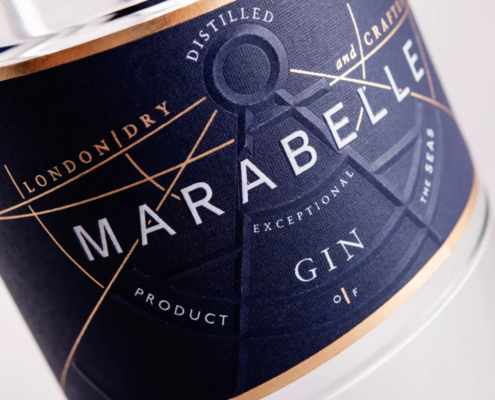 https://ustl.com/wp-content/uploads/2024/03/embossed-label.png
902
1591
AbstraktMarketing
https://ustl.com/wp-content/uploads/2023/03/USTL-Logo-March-2023-1030x445.jpg
AbstraktMarketing2024-03-07 08:54:502026-03-15 15:27:55Everything You Need To Know About Embossed Labels
https://ustl.com/wp-content/uploads/2024/03/embossed-label.png
902
1591
AbstraktMarketing
https://ustl.com/wp-content/uploads/2023/03/USTL-Logo-March-2023-1030x445.jpg
AbstraktMarketing2024-03-07 08:54:502026-03-15 15:27:55Everything You Need To Know About Embossed Labels